The two tests measure the same quality in different ways, and the right one depends on who you are and why you are testing.
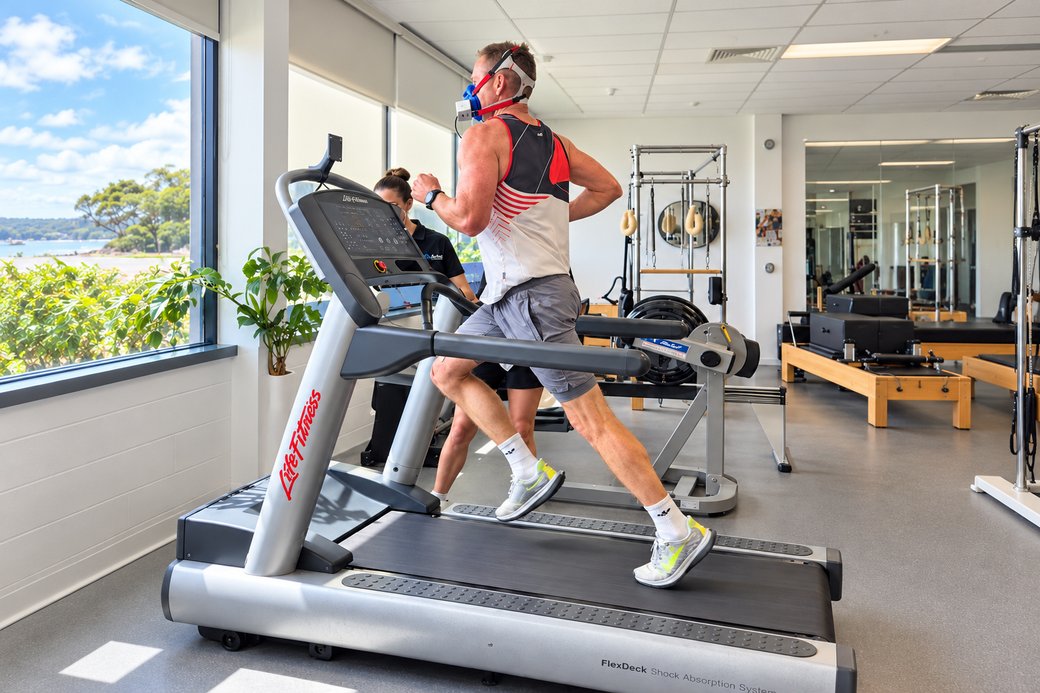
Cardiorespiratory fitness is one of the strongest markers of long-term health we can measure. In a large study of people referred for treadmill testing, below-average fitness carried a higher risk of death over the follow-up period than smoking, diabetes or coronary artery disease, and the lowest fitness group had around five times the risk of the fittest. That is why we measure it. How we measure it depends on you.
A true VO₂ Max test takes you to the point where oxygen uptake stops rising even though the work keeps increasing. It is the gold standard for trained athletes who want a precise ceiling and precise training zones, and it is demanding by design. We run it for athletes and well trained adults after screening in our North Fremantle testing suite, with the result reported against matched reference ranges.
For most people the right test is VO₂ Peak: a graded, symptom-limited test on the bike or treadmill that stops at a clear end point rather than at exhaustion. It is the test used in cardiac programs and in general health assessment, delivered after screening and with ECG monitoring for adults over 50 or anyone with cardiovascular risk markers. Your exercise physiologist records and reports the result; your doctor interprets anything that needs a medical eye.
Either way, the number is the start of the work rather than the end of it. Each 1 MET higher level of fitness is associated with around 13 per cent lower risk of death from any cause in pooled studies, and fitness responds to training at every age. Your result sets a cardiorespiratory target you can measure, your program is dosed to it, and we re-test at 12 weeks.
Sources: Mandsager et al., JAMA Network Open, 2018; Kodama et al., JAMA, 2009. Observational findings are stated as associations. Individual results vary.
