Exercise is medicine for chronic conditions — prescribed, dosed and measured like it.
For diabetes, cardiovascular disease, arthritis, respiratory disease, persistent pain and the long-term conditions that rarely arrive one at a time, exercise is frontline treatment — and in some conditions, such as cardiac secondary prevention and prediabetes, trials have found its outcomes comparable with medication. The difference is in the delivery. Exercise only works like medicine when it's prescribed at the right dose, progressed on real data, and reviewed like any other clinical intervention. That's exactly how we run it.
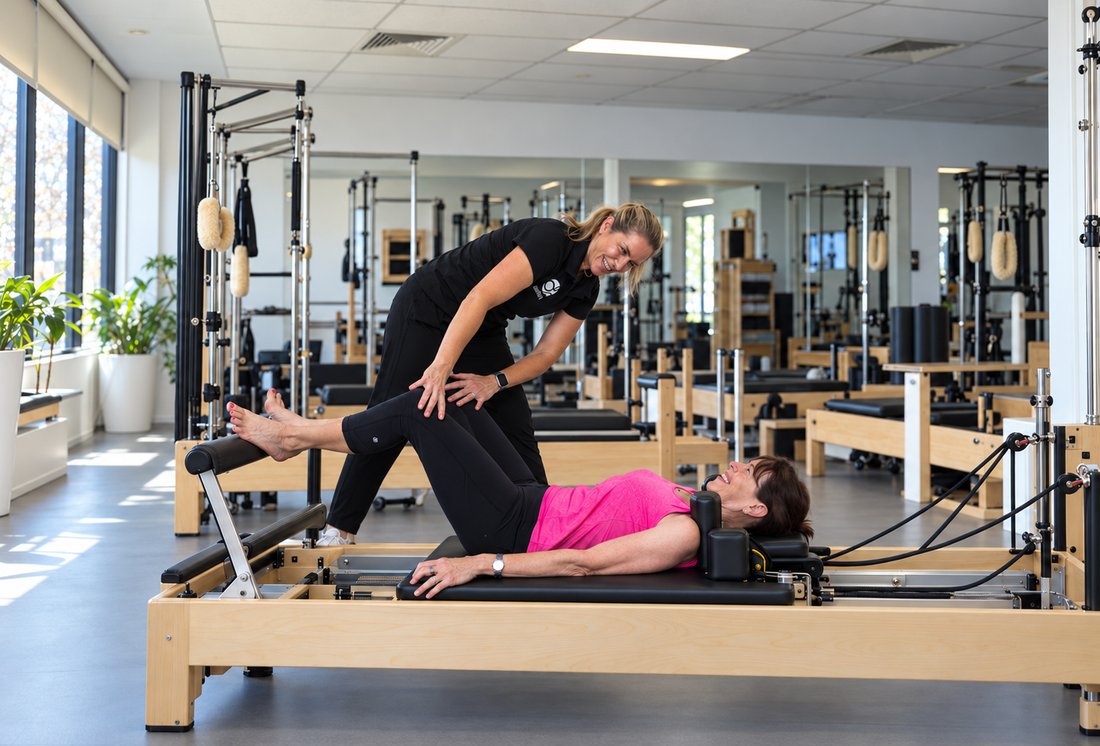
Plenty of places will supervise you doing some exercise. The clinical difference is what surrounds it: a screen before anything starts, an objective baseline, a prescription built from it, and a measured review that goes back to your doctor.
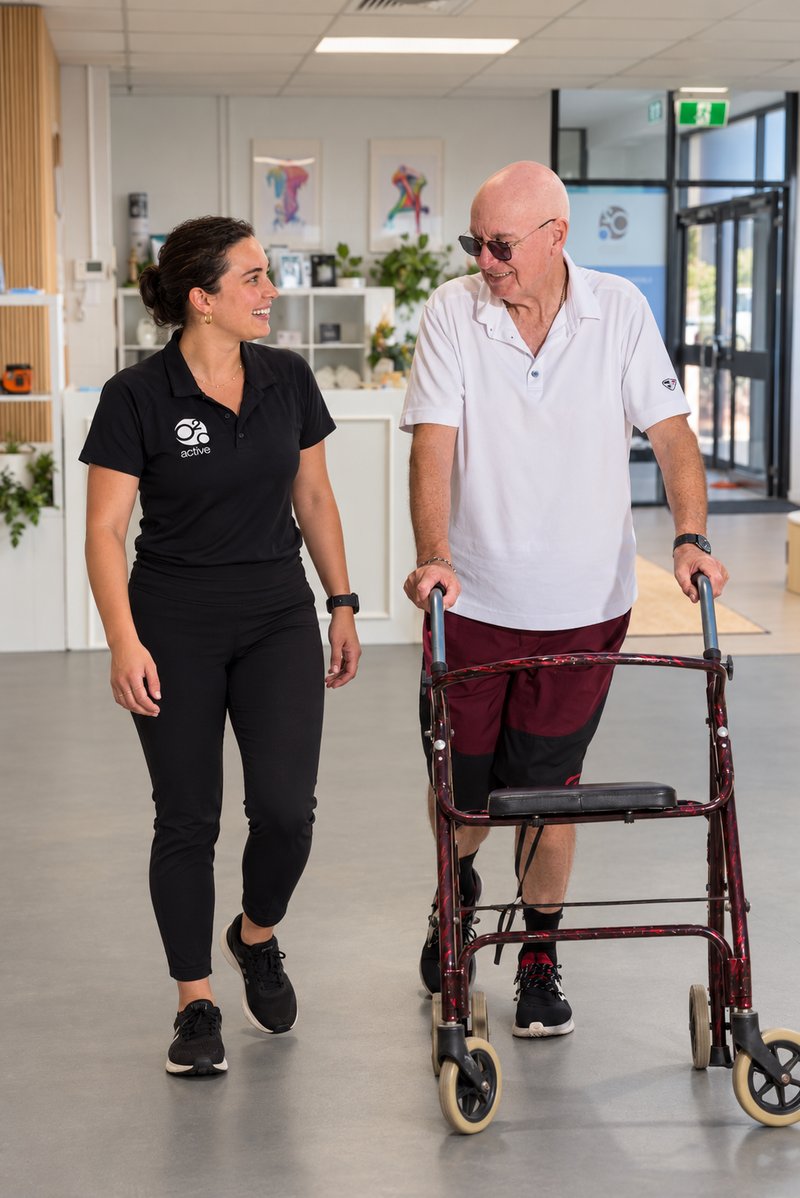
Many of our clients are managing more than one of these at once. Because our testing spans cardiorespiratory, metabolic, strength and movement, we build a single program that works across the whole picture rather than treating each condition in isolation.
Type 2 diabetes and prediabetes, insulin resistance, obesity and weight management — including resistance training to protect muscle if your doctor has prescribed a GLP-1 medication — plus thyroid conditions and sleep apnoea under medical management. Metabolic health →
Hypertension and high cardiovascular risk, stable heart disease, atrial fibrillation and recovery after a cardiac event. Intensity is set from symptom-limited testing and RPE where beta-blockers, AF or a pacemaker make heart rate unreliable. Cardiac exercise physiology →
Hip and knee osteoarthritis (including the licensed GLA:D® program), rheumatoid and inflammatory arthritis trained around flares, back pain and persistent pain, and hypermobility. Load is dosed to a pain rule — at or below 4 out of 10, settling within 24 hours.
COPD, asthma and other respiratory conditions, with spirometry and oxygen saturation at baseline, breathlessness-scaled intensity, and interval formats that let you train harder than continuous effort would allow.
Managed as safety before conditioning, never as ordinary deconditioning: a four-domain screen first, pacing-led where post-exertional symptoms are present, and cautious symptom-titrated conditioning only where they aren't. See below.
A staged, recumbent-first program on the Levine-style approach, with standing heart-rate response as the progression marker and symptoms always taking precedence over heart-rate targets. Diagnosis and medication stay with your physician or cardiologist.
Supervised exercise through chemotherapy, radiotherapy and survivorship, including the Cancer Council WA Life Now program. Exercise oncology →
Structured, supervised exercise for anxiety, depression and stress-related conditions — paced for someone who is unwell, and coordinated with your psychologist, psychiatrist or GP.
Recovery after stroke or TIA (from 3 months, with medical clearance), peripheral neuropathy and seizure disorders, adapted to the condition and coordinated with your neurologist or GP. Gait is analysed functionally, with no diagnosis made; anything suggesting a neurological cause is referred on. For adults over 75 or anyone with frailty markers, a frailty screen (grip, gait speed, sit-to-stand, timed up-and-go, balance) sets modified protocols. Bone health and falls →
Post-viral fatigue is not deconditioning, and treating it as if it were can set people back for weeks. Before any exertion we screen four domains: post-exertional symptom exacerbation, cardiac symptoms, oxygen desaturation on exertion, and autonomic function with a 10-minute standing test. A positive cardiac or desaturation screen is referred to your GP before we go further.
Where post-exertional symptoms are present, the program is pacing-first — an energy envelope, a heart-rate ceiling used as a cap rather than a target, and no graded progression. Where they're absent, we progress cautiously, one variable at a time, re-checking symptoms over the following 24–72 hours before each increment. A flare moves the plan back a step; it never means "push through". For POTS, training starts recumbent and moves upright only as your standing heart-rate response improves, with every session monitored.
Built on the World Physiotherapy and NICE guidance for safe rehabilitation in long COVID, and the recumbent-to-upright evidence base for POTS. Individual results vary.

Your diagnoses, medications, history and goals reviewed, then an objective baseline across the measures relevant to your condition. Around 60 minutes.
Your numbers in plain English and the two or three findings that matter most, so the plan is yours.
An individualised program, dosed from your data and safe for your condition — 1:1, EP Pairs, EP Small Group or clinical classes, supervised in clinic.
Re-test at 12 weeks, objective progress reported to your GP or specialist when it matters, and the next block built on what moved.
Your symptoms — pain, stiffness, breathlessness, fatigue — and what they cost you day to day. The functional capacity, body composition and blood pressure we measure here, alongside the blood markers your doctor is tracking. Your strength, balance, sleep and mood. And your independence: work, home, the things you'd stopped doing. We measure the baseline and show you — and your doctor — what changes. Individual results vary.
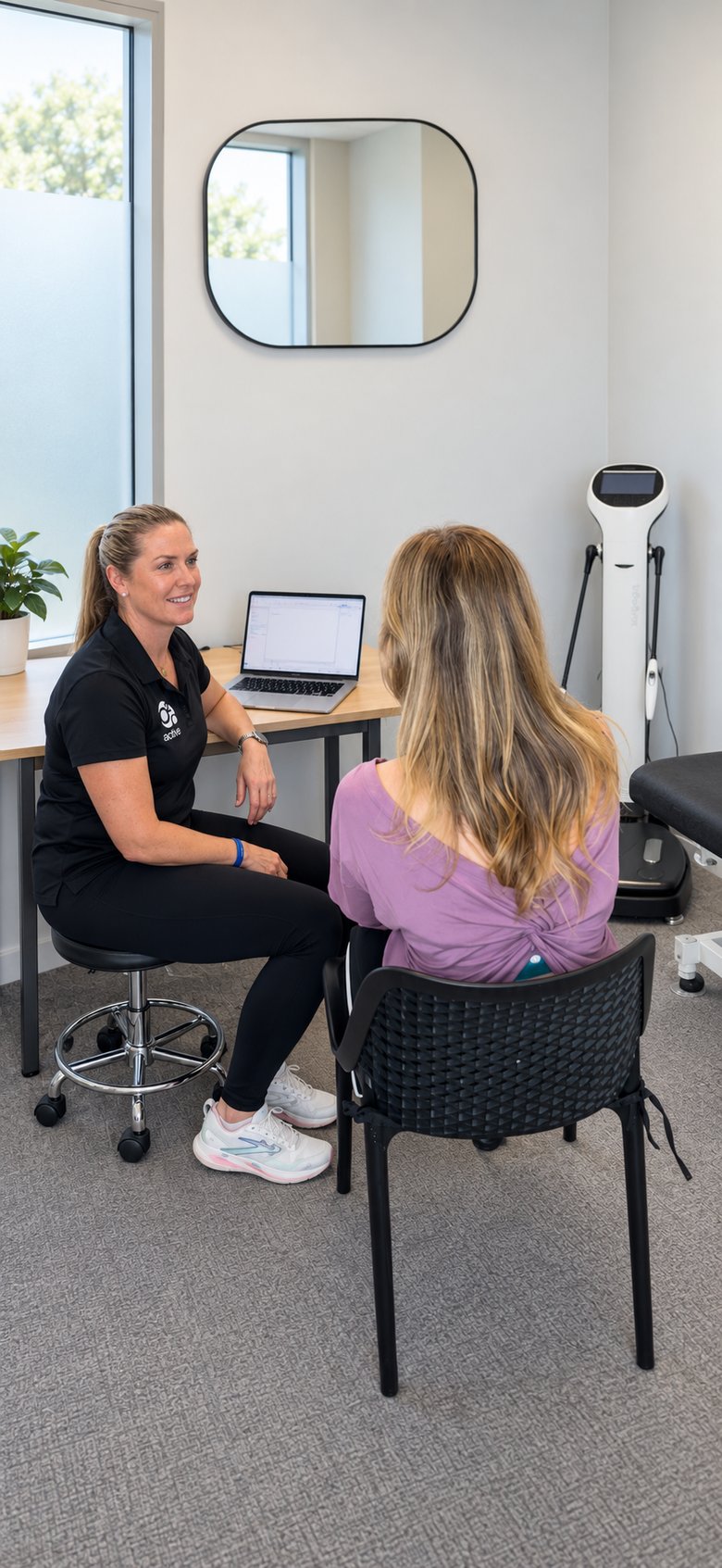
Chronic conditions are managed best when everyone is working from the same information. We take referrals into your care plan, report baseline and progress data when it's clinically useful, and route anything concerning back to your treating team the same day. Diagnosis, medication and interpretation of your bloods stay with your doctor; the exercise sits properly inside their management.
It starts with an Initial Assessment — Exercise Physiology, from $150 (around 60 minutes). From there: 1:1 sessions, EP Pairs (2:1), EP Small Group (1:4), and clinical classes. Funding pathways include Medicare GP Chronic Condition Management Plans (GPCCMP — formerly GPMP/TCA, up to five allied health services a year), DVA, workers' compensation and private health insurance, depending on your circumstances. See For Referrers for the clinical detail, or ask our team.
Book an assessment, or refer a patient for objective baseline data.
